Paris · Lausanne · Genève
Exploring a subject in depth,
with the time and the attention it deserves.











A foundation wanting to document what it funds, a charity looking to make a phenomenon understood rather than denounced, an institute wanting a record of its work: on these projects, your organisation commissions the film without being its subject.
Check my availabilityRéponse sous 24 à 48 h.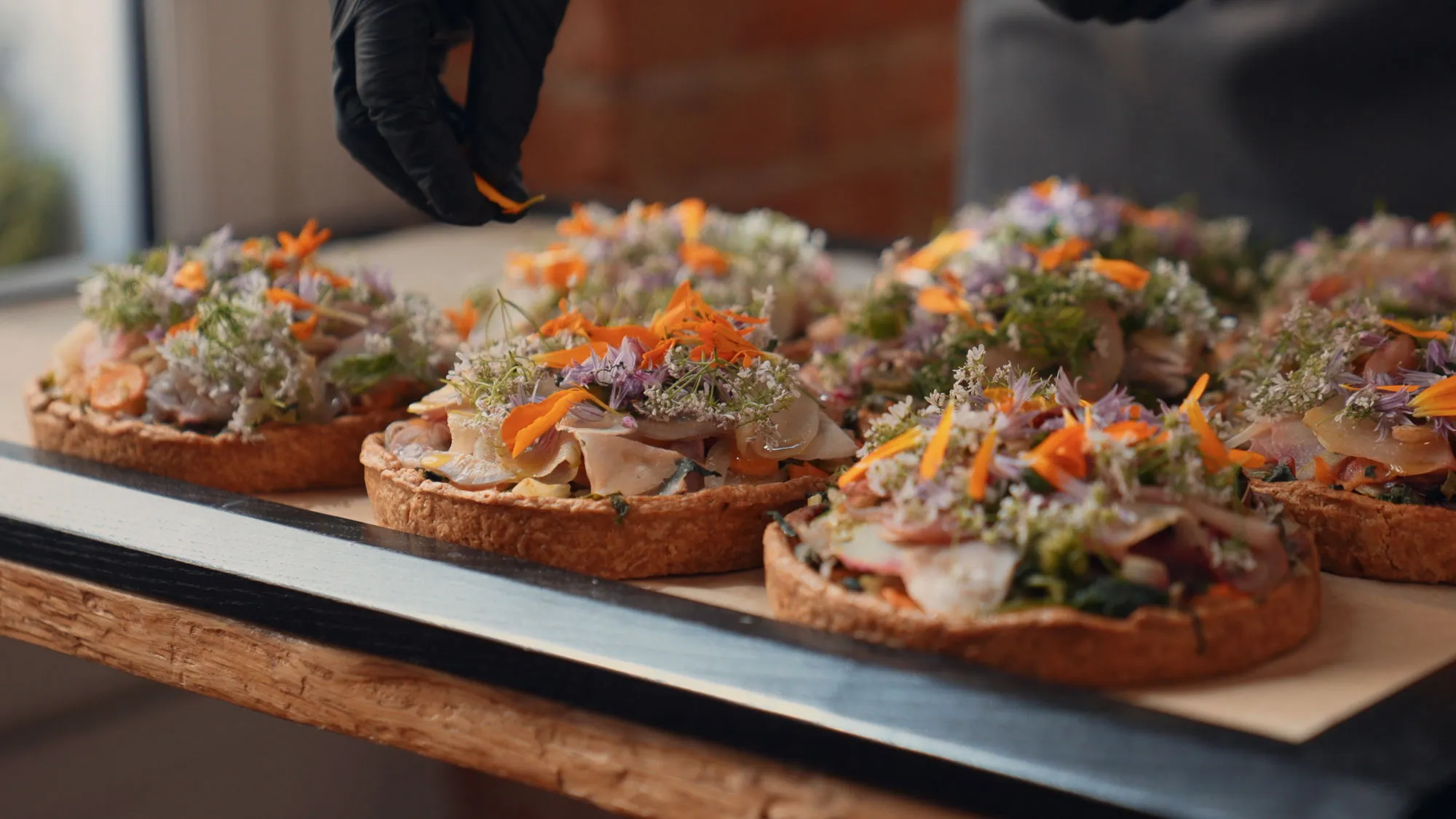
A subject, not a message.
Everything is decided before filming begins. Understanding the question, finding the people who have something to say about it, landing on the angle that will make the argument heard: those invisible hours are what separates a film that rings true from one that only approximates.
Filming comes next, in the field, at the pace of real situations rather than a shooting schedule. Then the edit, where the story is properly built.
These projects are quoted case by case: the research and writing beforehand, the number of filming days and the scale of the edit all vary from one subject to another. They start at €6,000 excluding VAT, which is the point below which there is not enough time in the field to do the work properly.
Formats
Reportage
A defined subject, a tight shoot.
To document a project, a place or a practice.
Recommended
Documentary series
Several parts on one question.
To treat a subject from several angles.
Long-form documentary
Research, writing, filming spread over time.
For a subject that needs time and real investigation.
Every project is quoted individually. Prices excluding VAT. Travel in France, Switzerland and across Europe is built into the quote. Services are invoiced excluding VAT for taxable clients established outside France.
Always included
These are the details you never see on screen, and they are what separates a recited line from something that rings true.
The process
01
Understanding the subject
You set out the question and what you know about it. I read, I research, I find the people who have something to say.
02
Writing the angle
Together we settle the film’s point of view, what it will show and what it will leave out. It is the most decisive choice of the whole project.
03
Filming in the field
Interviews and real situations, filmed at the pace of the subject. A light set-up, one the people being filmed forget about.
04
Building the story
The edit is where the film is really written: what is said, in what order, and what the silences let through. Then grading, mixing and delivery.
Options
Depending on the subject, the fieldwork and how you plan to use the film.
Narration
A narration written and recorded to carry the story where the interviews are not enough.
On request.
A larger crew
A director of photography, a sound engineer or a second operator, depending on what the shoot demands.
On request.
Aerial footage by drone
To place a landscape, a farm or a site, when the scale of the subject calls for it.
On request.
Archive footage and collections
Research, rights clearance and integration of archive material when the subject has a history.
On request.
French version
The film adapted for a French-speaking audience: translated subtitles, and narration re-recorded where there is one.
On request.
Motion design and mapping
Maps, figures and animated diagrams to make visible what cannot be filmed.
On request.
Short version for social media
A short re-edit, built as its own piece rather than an extract from the film.
On request.
To explain a process or a concept rather than document a situation, explainer films are the better fit.
Series example
A three-part series on food insecurity among students, made for Écotable. Three angles on one question: what is served, what is recovered, and what it changes.
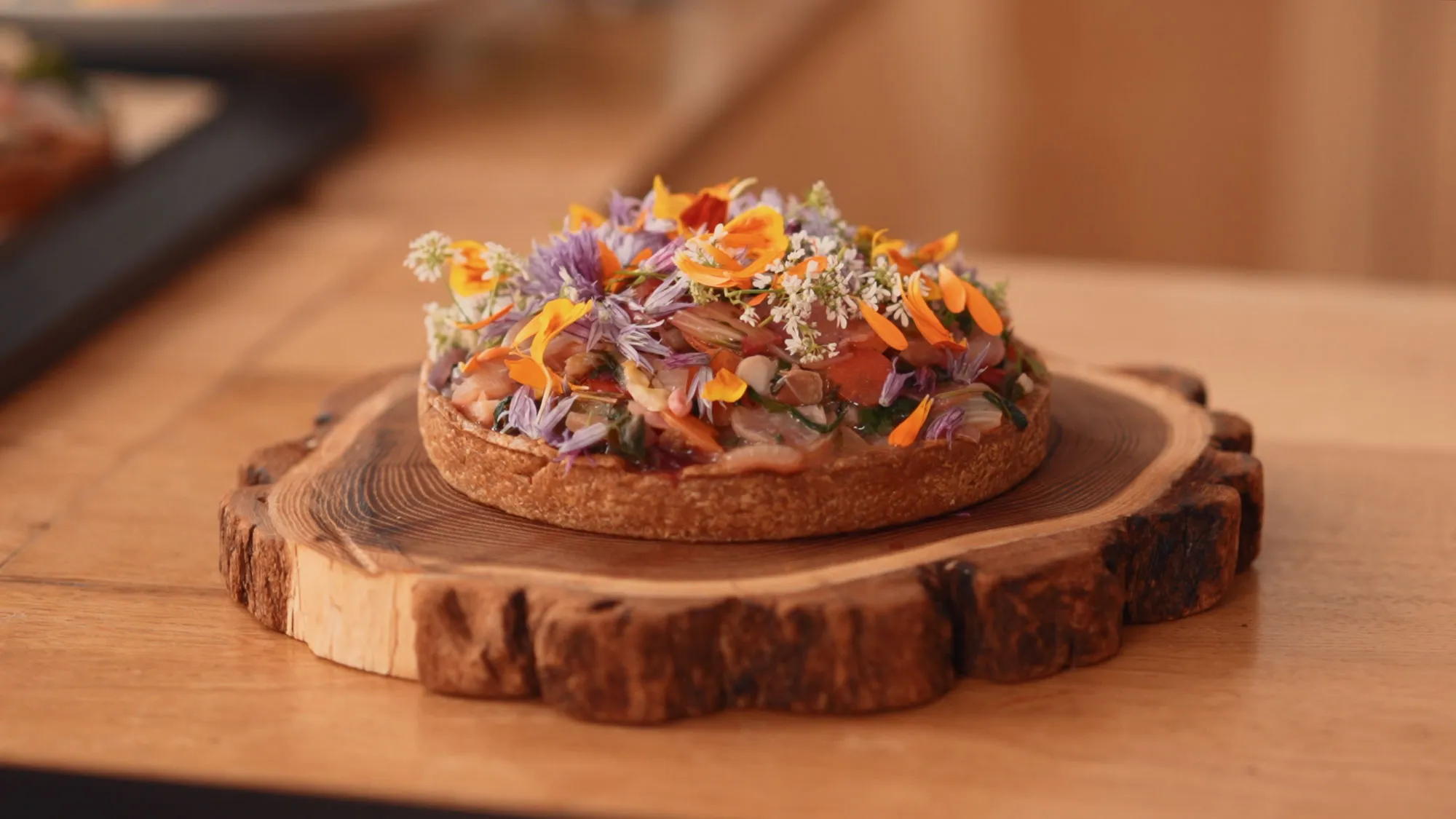
Twenty-four restaurants cooking every week for students in difficulty. A reminder of what feeding people actually means.
WATCH →
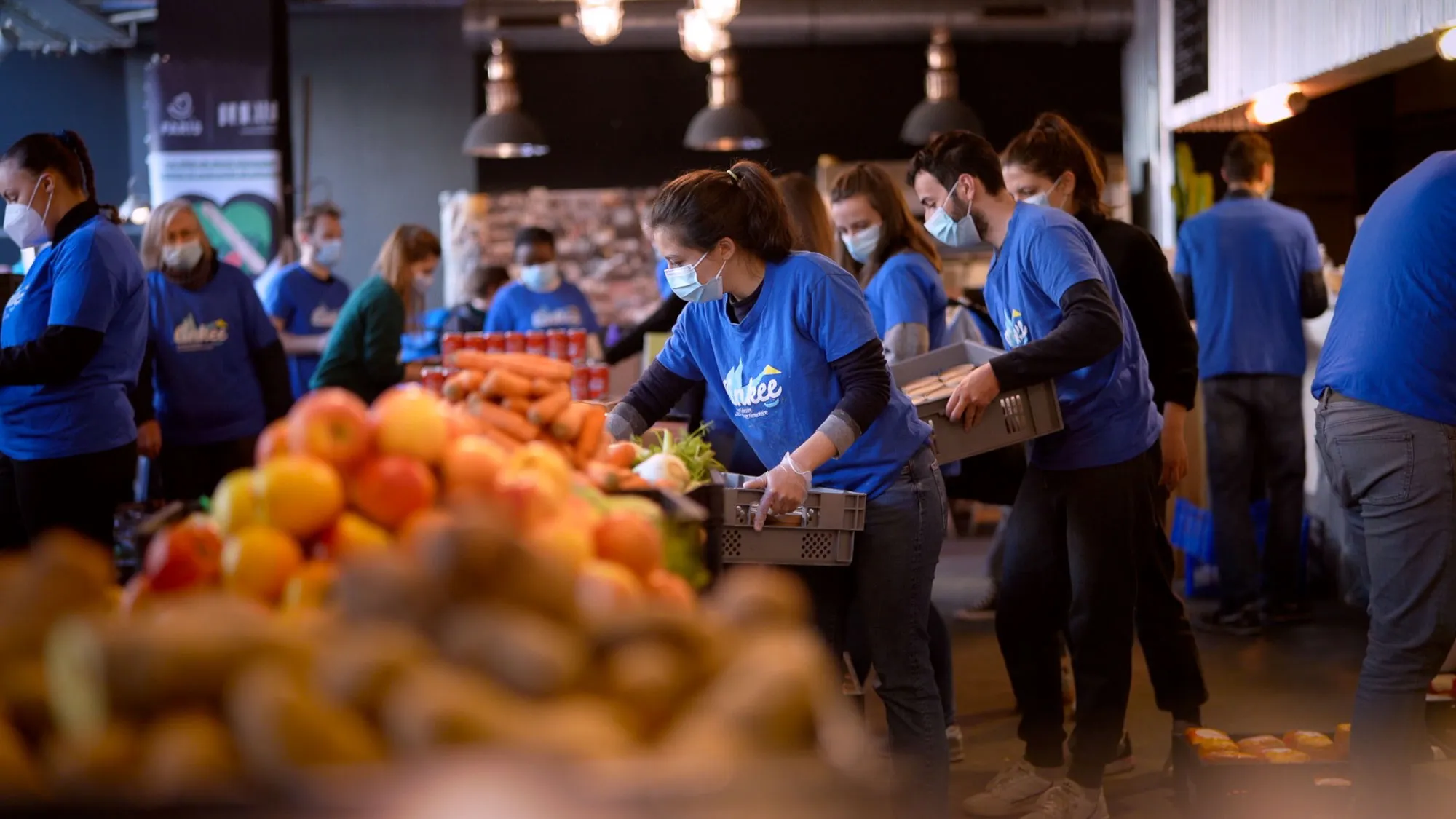
Collecting a food parcel is easy for no one. How to take the stigma out of distribution for young people the crisis pushed over the edge.
WATCH →
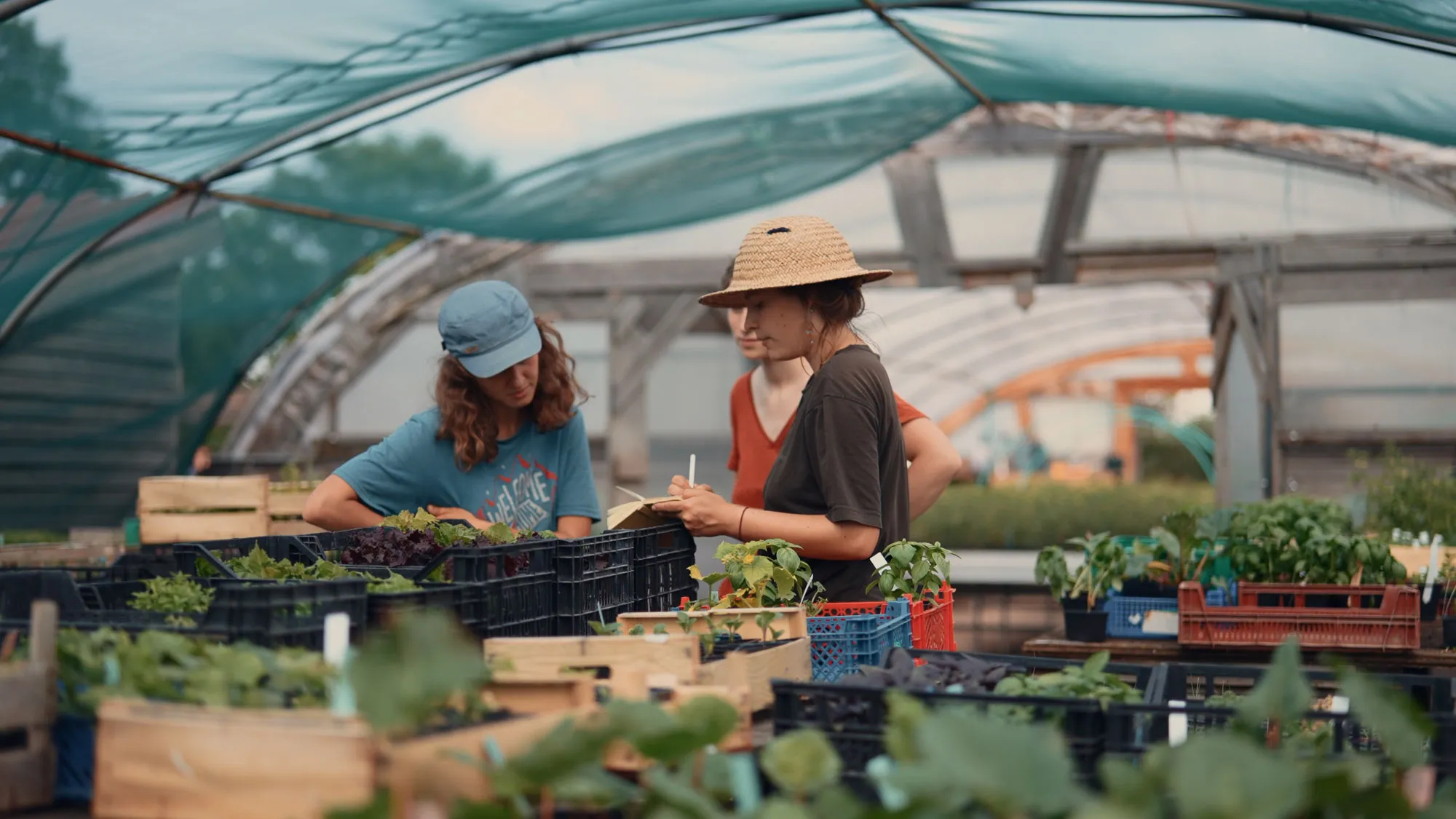
What the chefs’ initiative set off elsewhere: urban farms opened to students, producers’ boxes at reduced prices.
WATCH →
Reportage example
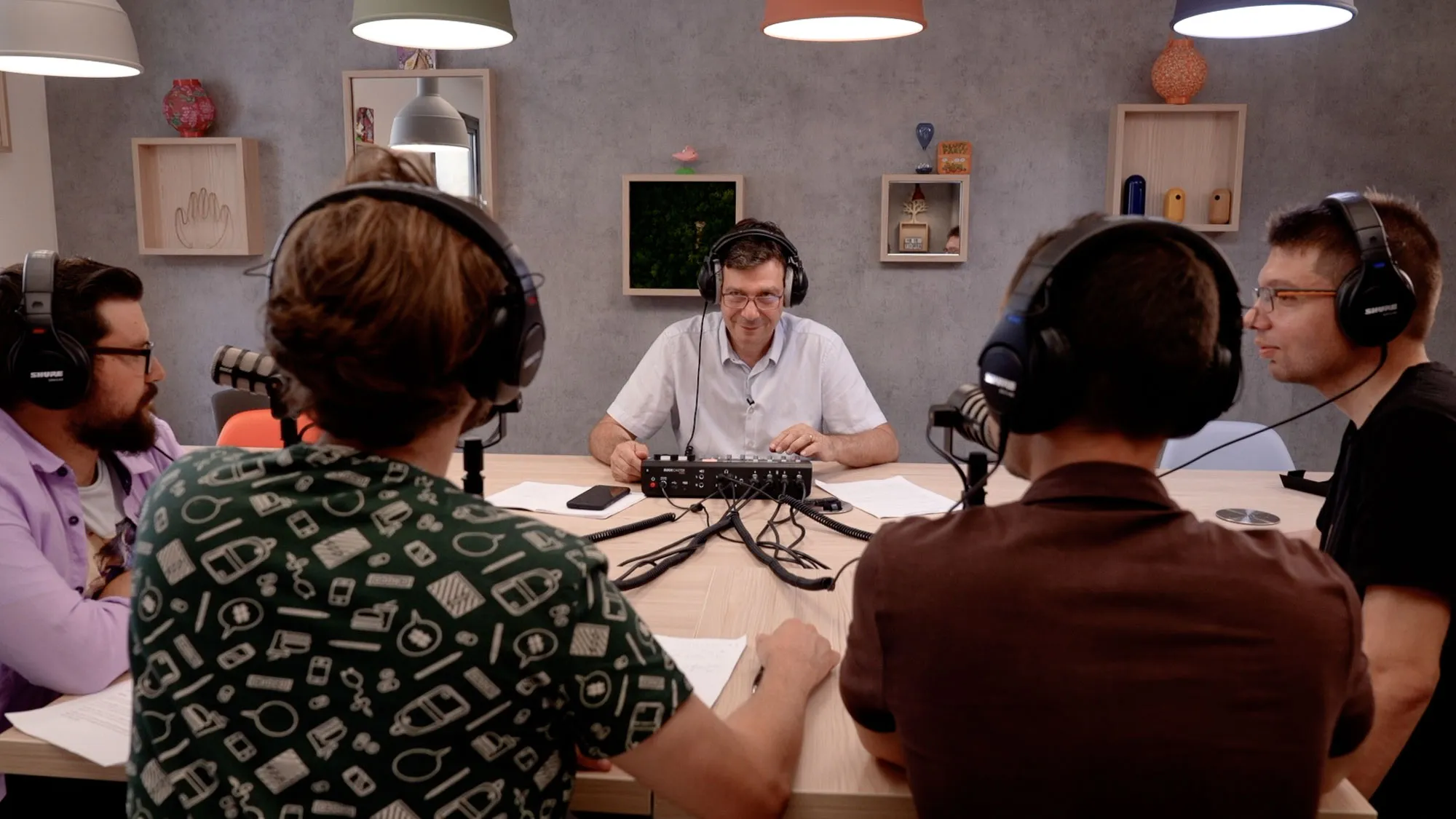
A subject followed from beginning to end: specific learning difficulties, still poorly understood, and a radio workshop where people find their voice.
Dyspraxia, dysphasia, dyslexia: understanding what these conditions involve, and how to keep your confidence while living with them.
FAQ
Who chooses the subject and the angle?
The subject comes from you, the angle is decided together. You know the field better than I do; my role is to find the way in that makes it clear to someone who knows nothing about it. That decision is made before filming, and it shapes the whole film.
How long does a documentary take?
A few weeks for a reportage on a defined subject, several months as soon as it means following something over time or returning to the field at different stages. The timetable is built with you from the start.
Can you film people in vulnerable situations?
Yes, and it calls for particular care: time before the camera comes out, consent that is explained rather than extracted, the option to withdraw, and blurring or anonymising where needed. Those choices are made beforehand, with you and with the people concerned.
What if the subject shifts along the way?
It happens often, and it is usually a good sign: the field teaches you things no treatment can predict. We talk about it as soon as it happens, and the angle adjusts. If the shift changes the scale of the project, the quote is revised accordingly, never after the fact.
Can you talk about our organisation in the film?
Your work can appear, of course, but it is not the subject. A film that documents an issue and ends as an organisational showcase loses its credibility with the very people it is trying to convince. If the aim is to present your organisation, that is a corporate film.
Do you work outside Paris?
Yes, and on this service it is usually the rule: the subject is where it is. Based in Paris, I travel throughout France, to Lausanne, to Geneva and across Europe. Travel is built into the quote.
Who handles image rights clearances?
You remain responsible for clearances from the people filmed. On this kind of subject I always obtain written consent on site, and I can provide a form suited to the context, particularly when minors or vulnerable people appear on screen.
What formats do you deliver?
Files ready to publish in 4K, subtitled, suited to your channels: website, social media, screening or festival. Short versions are available as an option.
Can we collaborate on a documentary project?
Gladly. Co-production, directing for a production company or a broadcaster, joining a subject already under way: write to me with the project and where it stands.
My diary often fills up several weeks ahead. The sooner we talk, the better I can commit to your dates.
Check my availabilityRéponse sous 24 à 48 h.